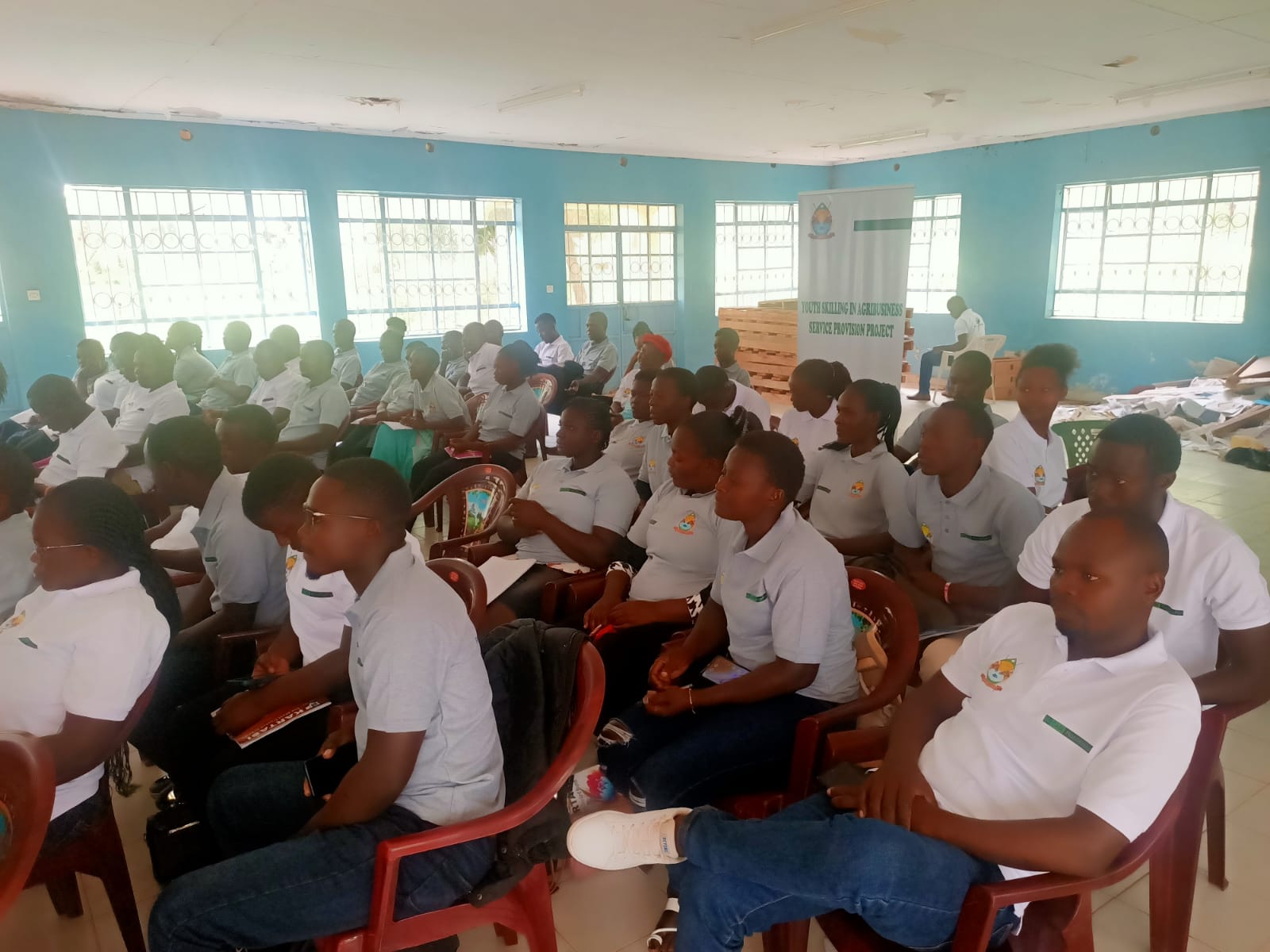
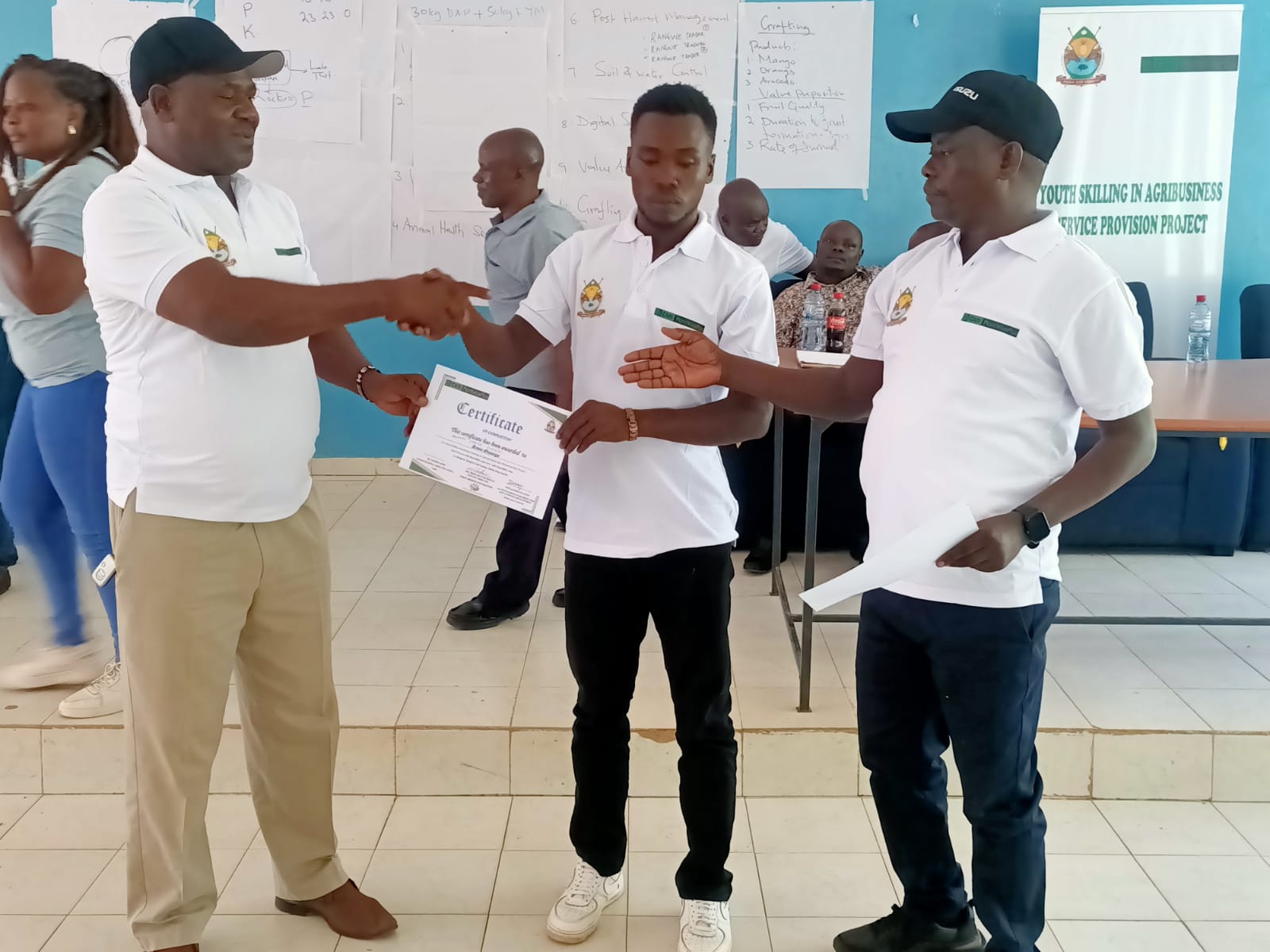
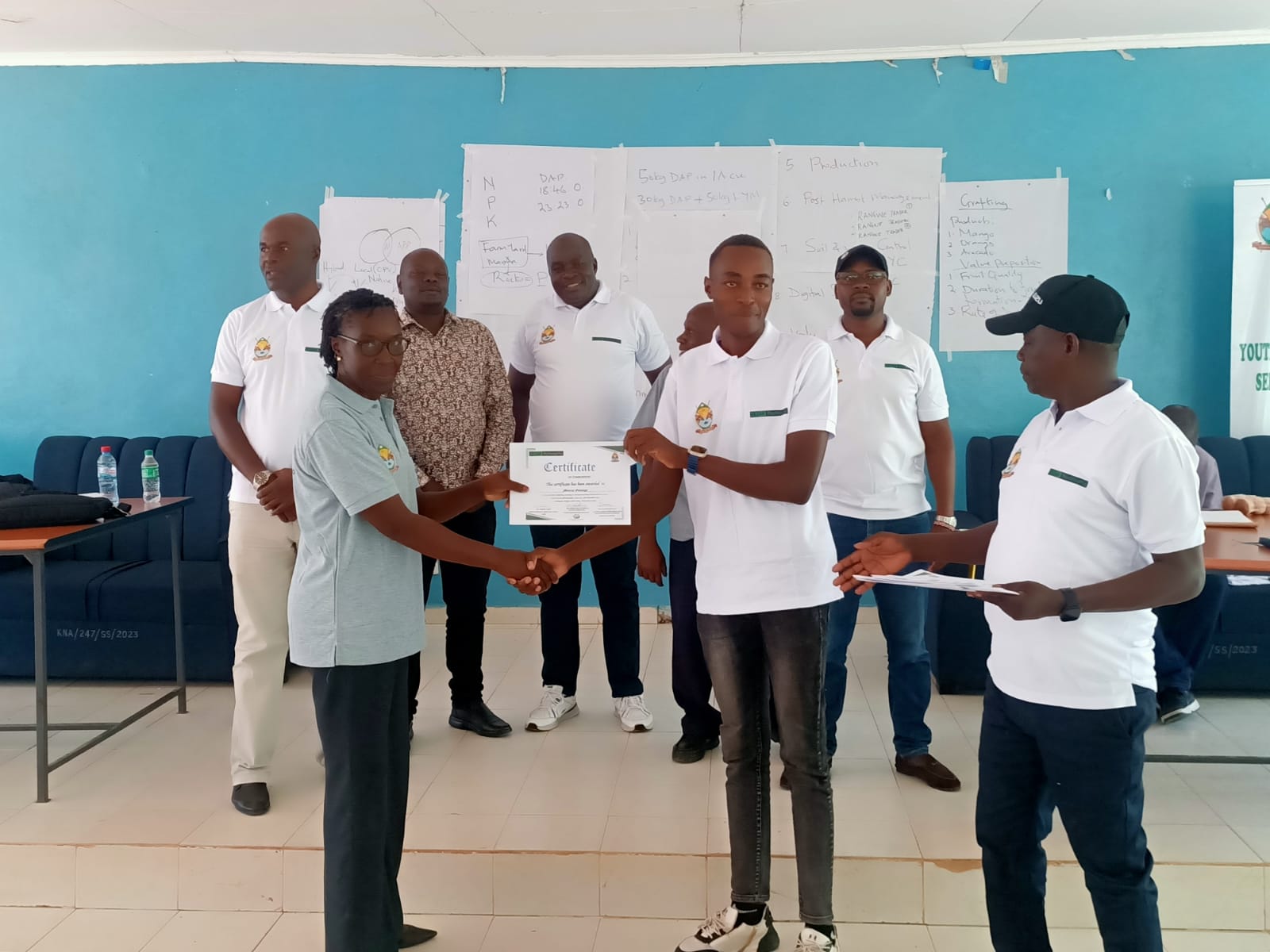
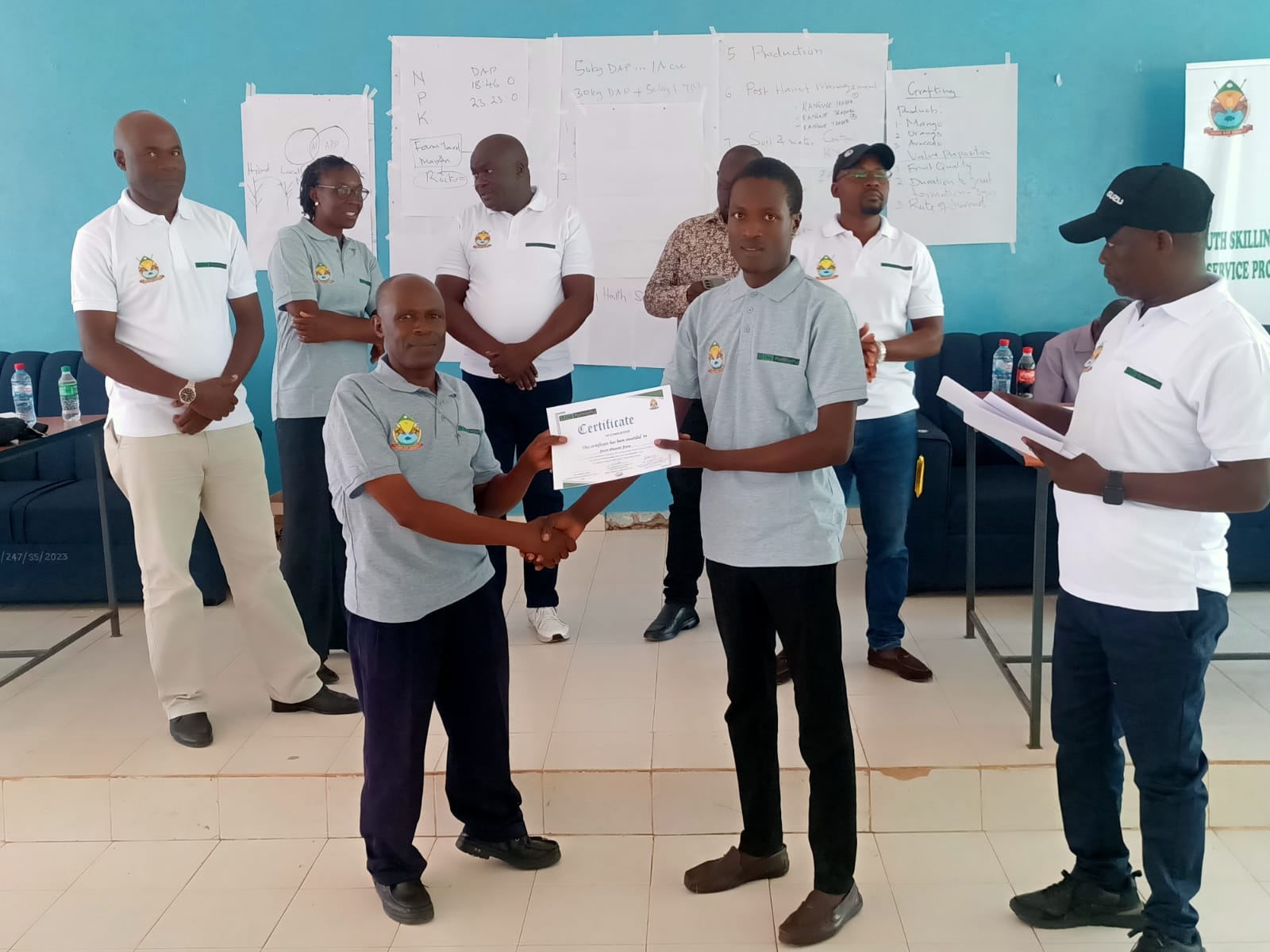
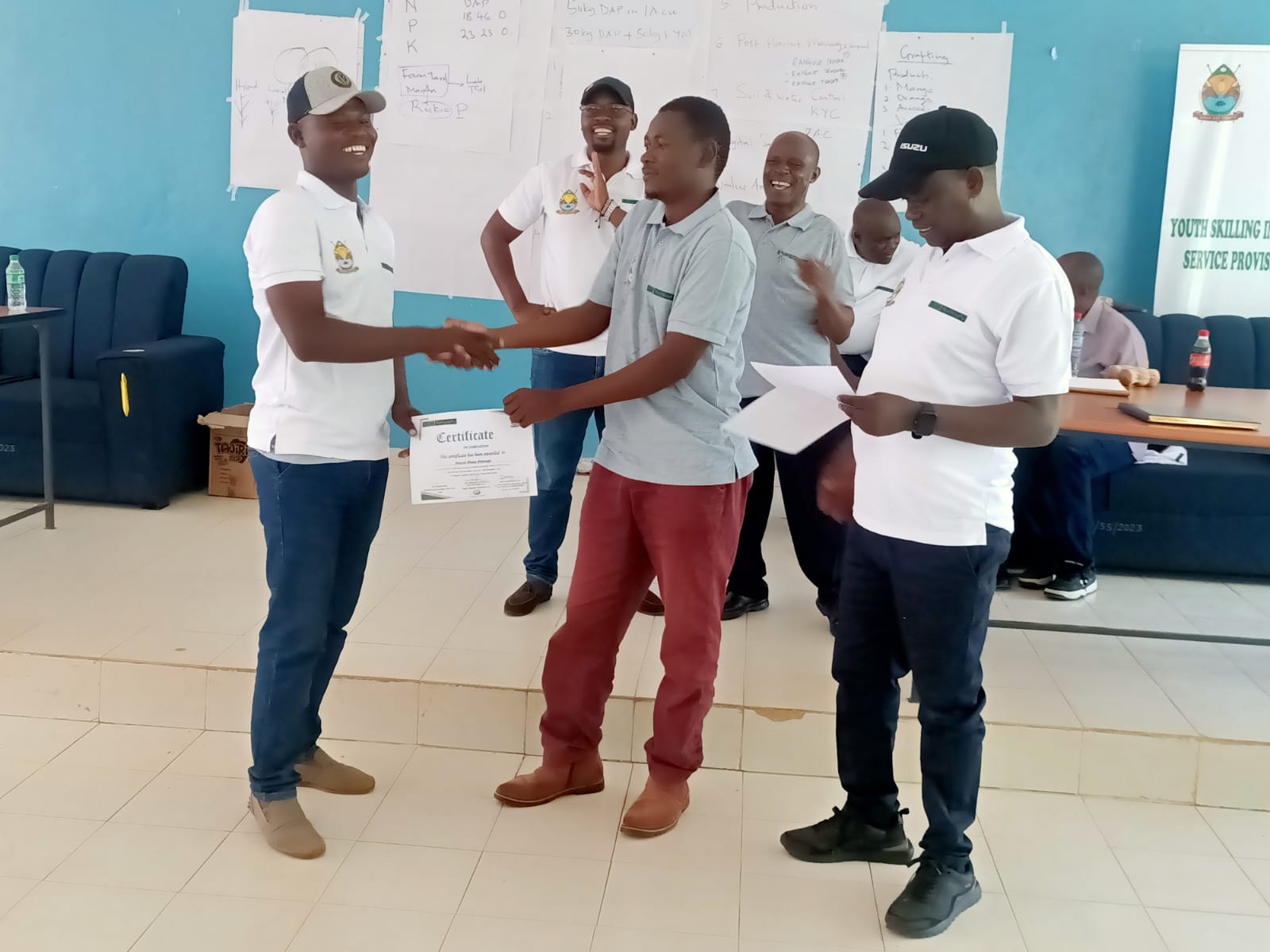
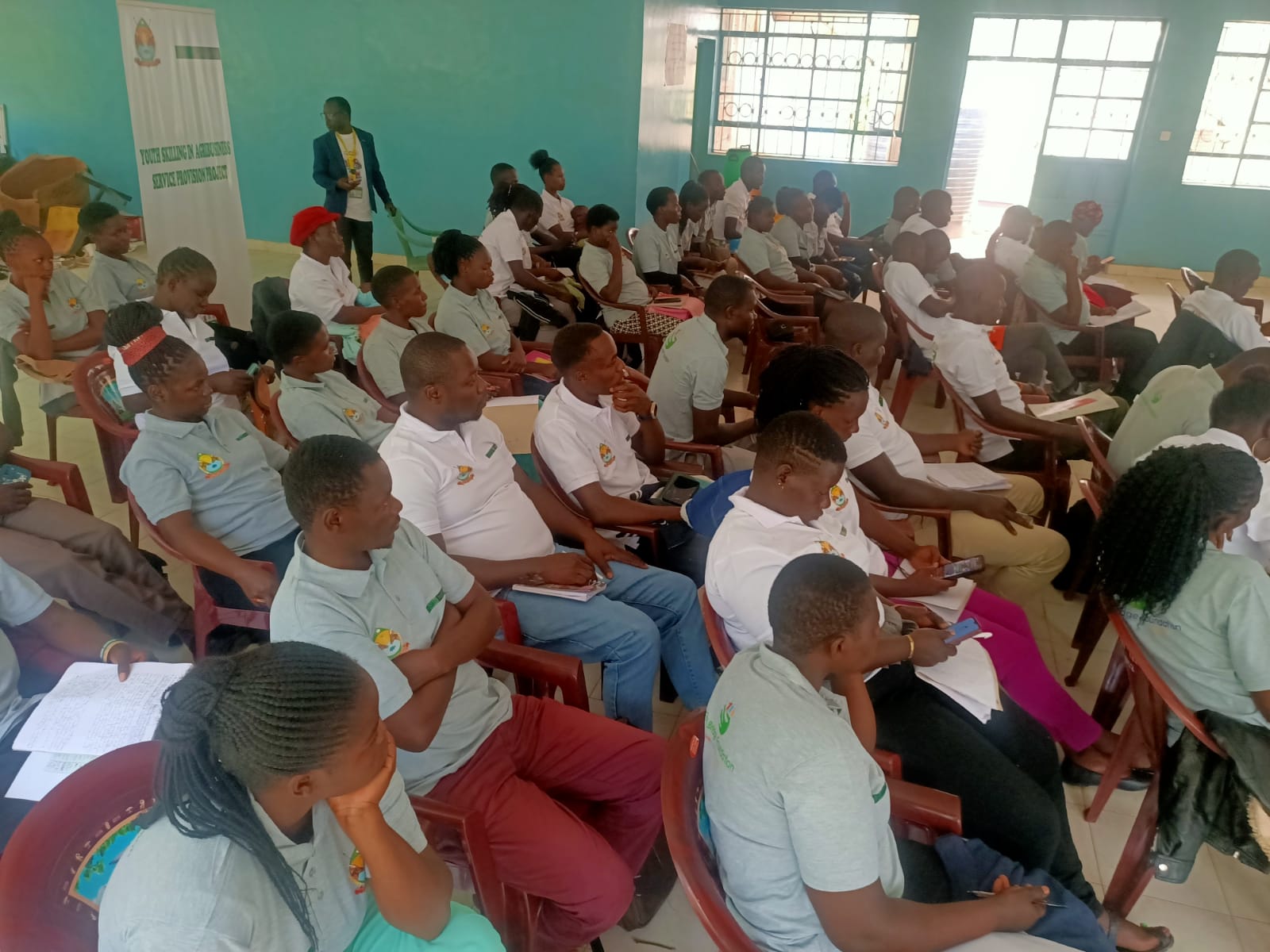
Training young women and men on entrepreneurship in agriculture under the PlantwisePlus programme in Homa Bay County
During December 2025, First Bridge Foundation implemented their inaugural project in Rangwe- Homa Bay County and also in Magunga of Migori County.
Overall Objective
To successfully recruit, train, and assess youth in Homa Bay County, equipping them with essential agribusiness and entrepreneurship in agriculture skills, and developing a clear roadmap for their service provision and enterprise development.

Background and context of the initiative
- Agriculture remains the backbone of Africa’s economies, employing the majority of the population and serving as the primary source of livelihoods, especially in rural areas. Despite rapid urbanization, most young people in Sub-Saharan Africa (SSA) will continue to live and work in rural areas for at least the next decade. Estimates indicate that by 2030, nearly half of Africa’s new job seekers will need to find employment in rural economies.
- Given this reality, agriculture holds immense potential as a driver of economic transformation, poverty reduction, and employment creation. Expanding opportunities within the agricultural sector not only raises incomes for farmers and herders but also stimulates broader rural economic activity, creating demand for goods and services and generating employment in related sectors such as input supply, mechanization, processing, logistics, and marketing.
- However, many young people remain disconnected from profitable agricultural opportunities, often viewing farming as low-status or unprofitable. Yet, agriculture today is far more dynamic — driven by innovation, technology, and entrepreneurship. Engaging youth in agricultural service provision offers a promising entry point that aligns with their skills, aspirations, and energy. As service providers, young people can take up roles in input distribution, pest diagnostics, mechanized services, post-harvest handling, and digital advisory, contributing to more productive and resilient food systems while earning sustainable incomes.